Personalization Is the Product: Designing Immersive Events That Stick
Tech & Trends
9 Min Read
Immersive events aren’t about spectacle. They’re about data-driven personalization—and why that’s your new competitive edge.
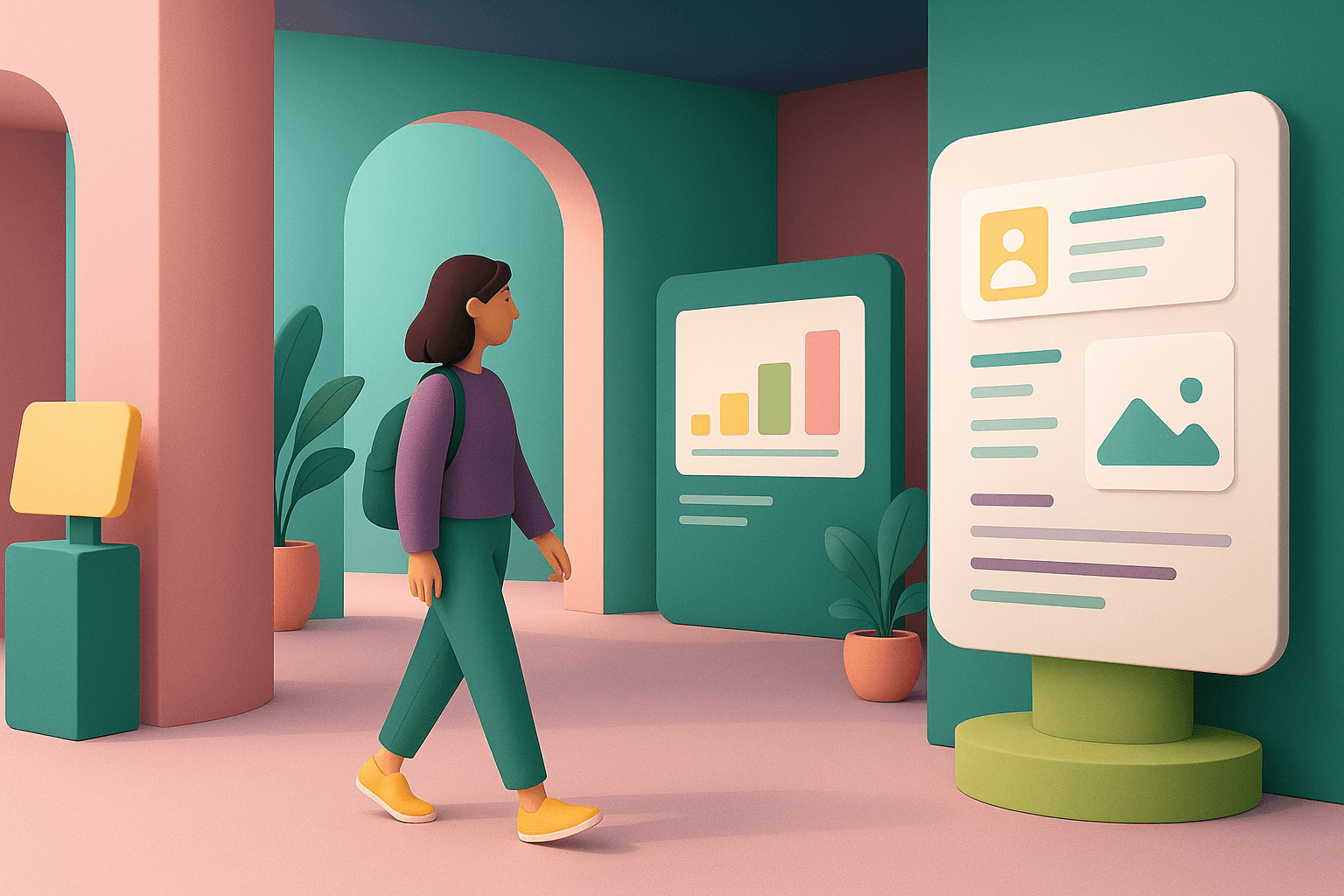
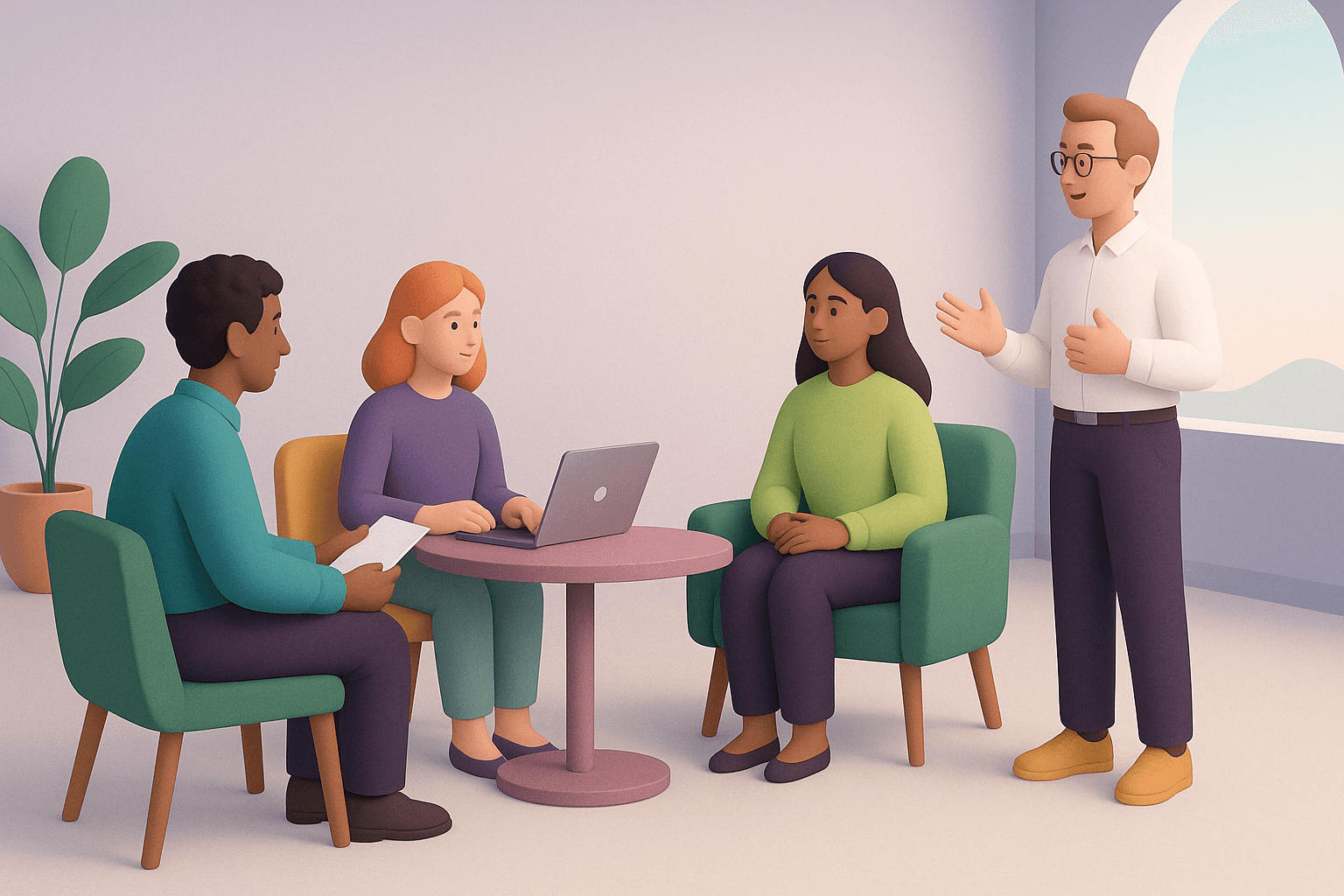
The average team has been to dozens of events that felt the same: a sleek venue, a jam-packed agenda, a welcome bag with a logoed notebook no one asked for. It’s not that events are broken—it’s that they’ve become undifferentiated.
But here’s the shift: when your event becomes the HQ, it has to feel personal. Not personalized as a gimmick—personal as infrastructure. Real teams, real context, real outcomes.
This isn’t about putting someone’s name on a badge. It’s about designing experiences that map to who people are, what they need, and why they show up in the first place.
Why Generic Events Kill Culture
Culture doesn’t scale when every touchpoint is the same for everyone. That’s true in product, and it’s just as true in events. If the content, setting, and interactions feel mass-produced, people stop engaging. Worse—they stop caring.
When you’re remote-first or distributed, the event is no longer a bonus. It’s the moment where culture, strategy, and morale compress into one shared experience. Generic events dilute that opportunity. Personalized ones amplify it.
Personalization Is Infrastructure, Not Magic
True personalization starts before the invite and lingers long after the closing session. It happens in the way someone lands on a page tailored to their region or role. In the way their content tracks shift based on real-time preferences. In the way conversations are seeded intentionally—not randomly.
None of this is magic. It’s product. Parcy’s structure was built to do this: segment audiences, orchestrate dynamic pages, route personalized communication, and align content to the individual—not the lowest common denominator.
This isn’t luxury. It’s minimum viable respect for your guests.
Immersion Isn’t a Theme. It’s a System
Immersion gets confused with entertainment. But an LED tunnel doesn’t make your event immersive—relevance does. The most powerful events are the ones where people feel reflected in the experience.
That’s spatial design matching the energy of a leadership track. That’s sound, scent, and interaction tuned to the story your company is telling this quarter. That’s not more production—it’s more intention.
When you get immersion right, people don’t just remember what happened. They remember how it made them feel about the work they do.
Designing for the Individual, at Scale
You can’t guess your way to personalization. It requires structure. Intent data, segmented lists, modular sessions, and automated logic that flexes as you learn.
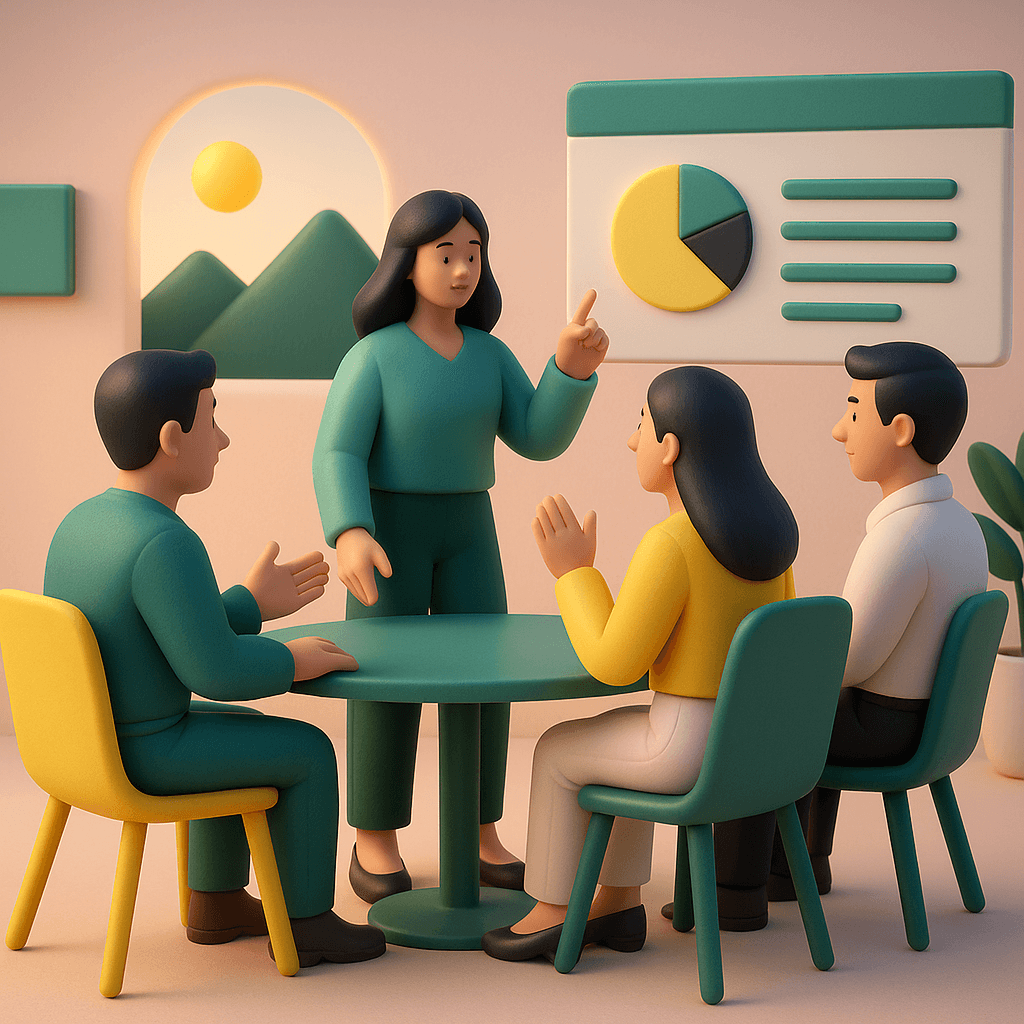
This is where most teams fail: they design one big moment for everyone and hope people find their own meaning. But it’s possible—and now, expected—to deliver something different to a new hire, a VP, and a partner, all at the same event.
Not because you built three events. Because you built one flexible enough to become three different experiences.
Proof It Works
We’ve seen it firsthand: when Parcy customers build events with structured personalization, they see higher attendance, better feedback, and longer engagement after the event ends.
At a recent internal summit for a hybrid tech company, Parcy powered over 200+ unique journeys across 400 attendees—different pages, different sessions, different follow-ups. They didn’t spend more. They just designed smarter.
That’s not just personalization. That’s organizational clarity.
TL;DR
The age of generic events is over.
Personalization is no longer a nice-to-have—it’s structural.
Immersive design means relevance, not spectacle.
With the right tooling, events become culture infrastructure.
Similar Topic